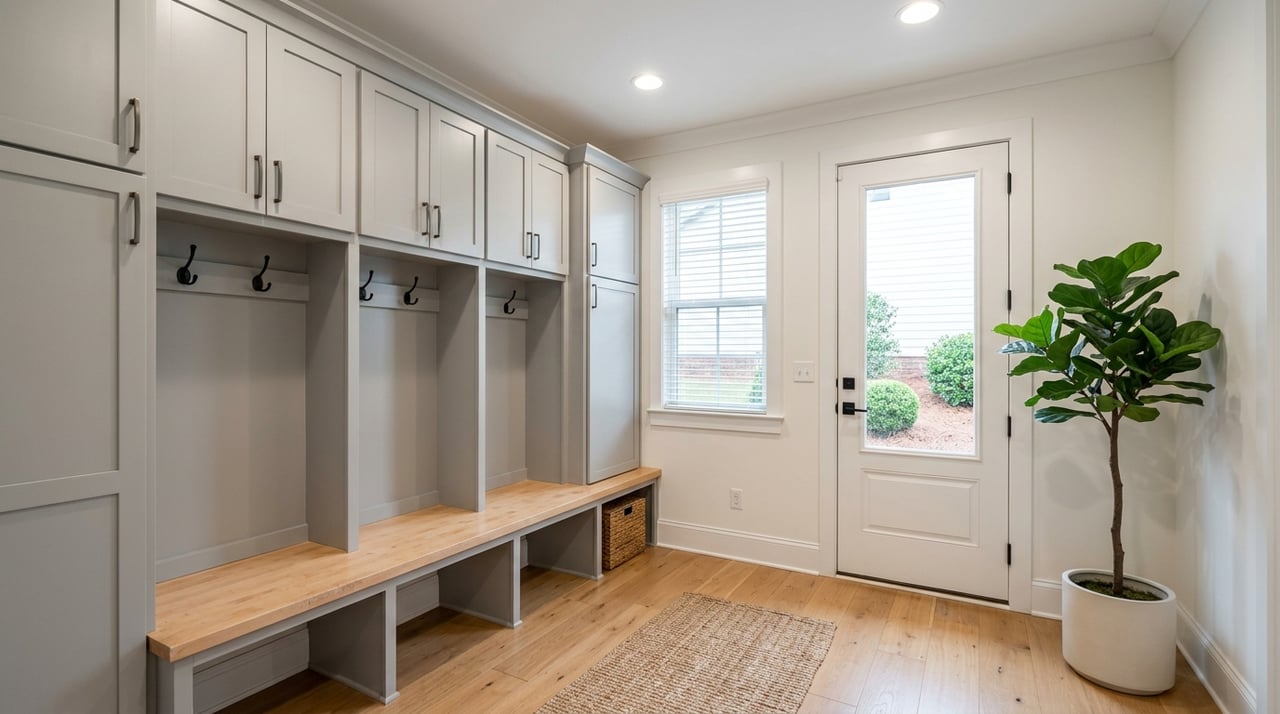
Your Guide to Downsizing in Sandy Springs
April 9, 2026
April 9, 2026
If your current home feels bigger than your lifestyle, you are not alone. In Sandy Springs, many homeowners are weighing whether it makes sense to trade space, upkeep, and carrying costs for a home that fits the way they live now. The good news is that downsizing does not have to feel rushed or overwhelming when you have a clear plan. This guide walks you through how to downsize successfully in Sandy Springs, what to watch for in the local market, and how to make smart choices before you move. Let’s dive in.
Downsizing is a practical conversation in Sandy Springs because the city has a high-value housing market and a meaningful share of older homeowners. According to U.S. Census QuickFacts for Sandy Springs, the 2024 population estimate was 105,505, the median household income was $104,340, the owner-occupied housing rate was 50.2%, and the median owner-occupied home value was $619,800. That creates real opportunities for owners who want to unlock equity and reduce upkeep.
The city’s Housing Needs Assessment adds important context. It found that homeowners in Sandy Springs are increasingly older and wealthier, with the fastest growth among homeowners age 55+ and households earning above $100,000. It also reported that 81% of attached and detached single-family home sales were above $400,000, which shows why a move to a smaller property can still be a major financial decision.
The best downsizing plan starts with how you want to live, not just how many square feet you want to lose. Before you look at listings, define what you want your next chapter to feel like on a daily basis. That gives every later decision a clear filter.
Ask yourself a few simple questions:
When you know your priorities, it becomes much easier to compare options objectively. A smaller home is not automatically a better fit if it adds more driving, less storage, or costs more each month than expected.
In Sandy Springs, downsizing does not mean you only have one path. The city’s housing assessment found that 72% of owner households live in single-family detached homes, while 89% of renter households live in buildings with more than five units. It also noted that the development pipeline included townhomes and condominiums, making attached housing a realistic option for local downsizers rather than a niche choice.
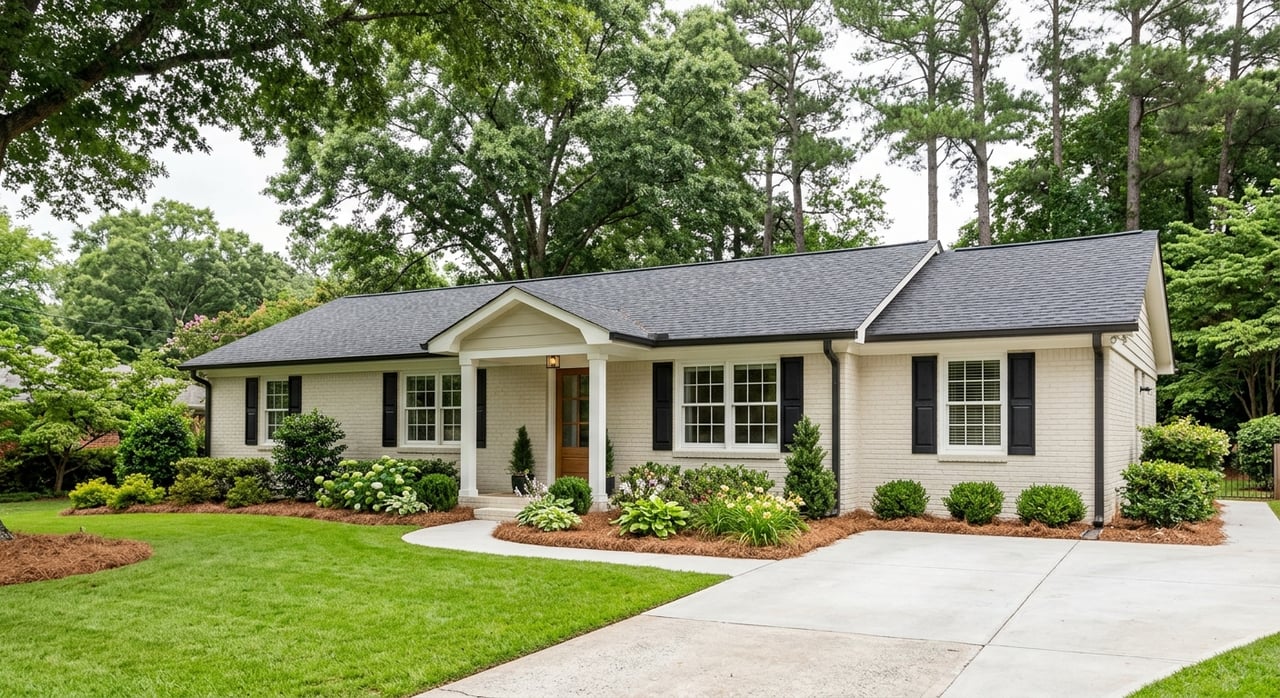
A smaller detached home can make sense if you still want privacy, a yard, or no shared walls. This option may work well if you want fewer rooms and less maintenance but are not ready for condo or townhome living. The tradeoff is that you may still carry more responsibility for exterior upkeep, roofing, drainage, and landscaping.
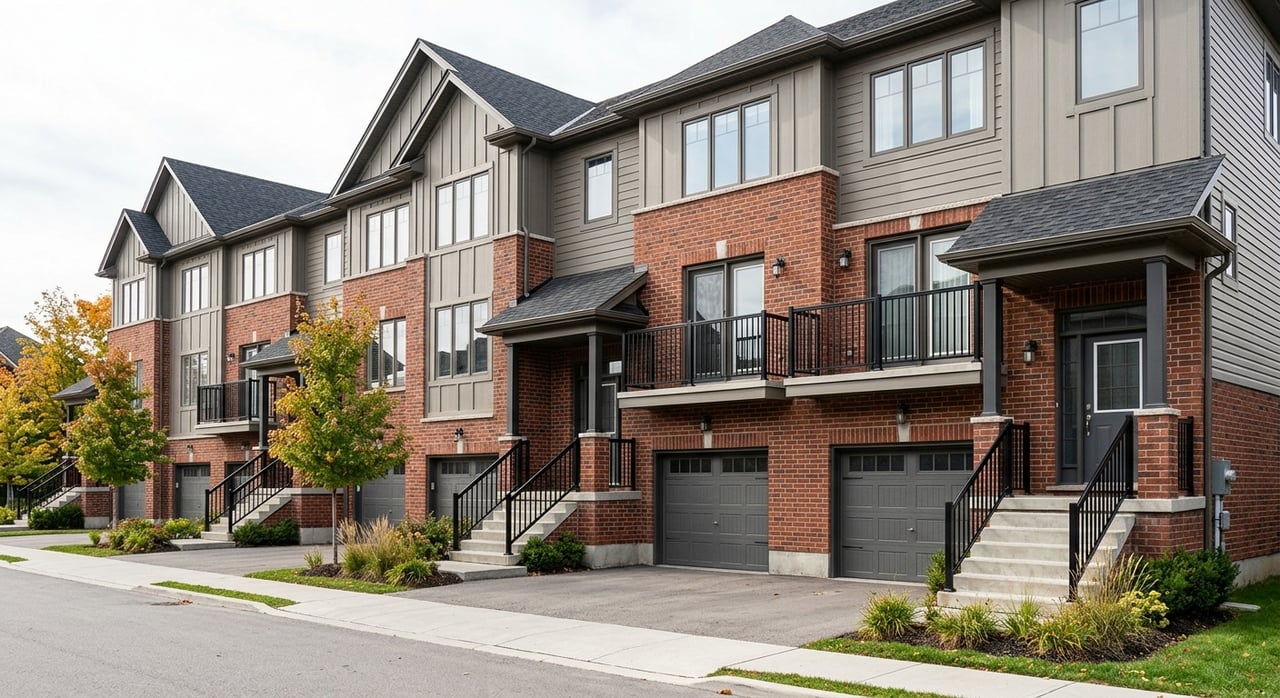
Townhomes often appeal to buyers who want more manageable space with some separation between living areas. They can offer lower-maintenance living than a detached home, though monthly HOA dues and parking rules should be reviewed carefully. If you want convenience without giving up all the feel of a traditional home, this can be a strong middle ground.
Condos can be a good fit if your top priorities are simplified maintenance and a smaller footprint. Depending on the building and location, a condo may also place you closer to shops, services, or major roads. Be sure to compare HOA dues, storage, parking, and building condition, since those details shape the true cost of ownership.
Where you downsize in Sandy Springs matters almost as much as what you buy. The city’s Comprehensive Plan highlights Roswell Road, Perimeter Center, MARTA station areas, and Powers Ferry Landing as key small-area planning zones. For many downsizers, those areas can be useful starting points when thinking about convenience, mixed-use access, and housing choice.
That said, convenience should be tested, not assumed. Redfin’s Sandy Springs market page rates the city 27/100 for walkability, 25/100 for transit, and 20/100 for bikeability. In practical terms, that means you should test-drive common errands, medical visits, social outings, and commute routes before committing to a move.
A downsizing move should improve your lifestyle and your numbers. That is why it helps to compare the full monthly cost of your next home instead of focusing only on list price or square footage.
Look closely at:
This is especially important in Sandy Springs, where a smaller property may still come with a premium price point. A thoughtful comparison helps you avoid moving into a home that is easier to manage physically but less efficient financially.
One of the biggest mistakes downsizers make is assuming their current home will sell quickly. In Sandy Springs, the market can move, but it does not always move fast enough for last-minute planning. According to Redfin’s February 2026 market data, the median sale price was $676,000, the median days on market was 59, and the sale-to-list ratio was 98.3%.
Some homes still attract multiple offers, and hot homes can go pending in about 19 days. Even so, the broader takeaway is clear: a successful move usually starts earlier than you think. Giving yourself time for repairs, staging, pricing, marketing, and negotiation can reduce pressure and expand your options.
This is one of the most important downsizing decisions, and there is no single right answer. The better choice depends on your cash position, comfort with uncertainty, and tolerance for temporary overlap.
Selling first can reduce financial risk because you know exactly how much equity you have available for the next move. It can also keep you from carrying two housing payments at once. In a market where the median time on market is around 59 days, that clarity can be valuable.
Buying first may make sense if you need more control over timing or want to avoid a temporary move. This path can be more comfortable, but it may require enough liquidity to handle overlap, storage, and carrying costs. It works best when your budget allows flexibility and your next-home criteria are very specific.
Many downsizers benefit from planning for both scenarios before making an offer or listing their home. That means estimating the cost of short-term storage, rent-back possibilities, and temporary housing if dates do not line up. A strong plan gives you more choices when the market does something unexpected.
Downsizing gets easier when you separate the real estate decision from the emotional work of editing your belongings. Start earlier than you think you need to, especially if you have lived in your home for many years. Waiting until listing photos are scheduled creates stress you can avoid.
A simple approach often works best:
The goal is not perfection. The goal is to move into your next home with intention rather than bringing unnecessary volume into a smaller space.
If you are selling a larger home to downsize, listing preparation matters. In a market where buyers still compare condition closely, early prep can help your home present better and reduce avoidable delays once you go live.
Focus on updates and maintenance items that affect buyer confidence, such as roofing, drainage, HVAC performance, and visible deferred maintenance. That local checklist matters even more because Redfin notes moderate flood risk for 14% of properties and major heat risk for 99% of homes in Sandy Springs. Buyers often pay close attention to systems that support comfort and durability.
Tax paperwork is easy to overlook during a move, but it should be addressed early. Fulton County states that homeowners who need a homestead exemption must apply by April 1, and the exemption renews automatically as long as the property remains the owner’s primary residence. The county also notes that exemptions do not apply to rental properties or second homes, and if names on the deed change, the occupant must reapply.
For Sandy Springs, the 2025 Fulton County homestead exemption guide lists a basic city exemption of $15,000 plus the Sandy Springs CPI exemption. The same guide says Fulton County offers a $50,000 age-65 exemption for the county portion with no income requirement. Applications can be filed online through the county’s SmartFile portal, and the guide lists the North Fulton Service Center at 7741 Roswell Road NE, Suite 210, Sandy Springs.
You can also review tax collection details through the Fulton County Tax Commissioner. If your move involves a title change, inheritance-related ownership update, or refinance history, it is wise to verify how that affects your paperwork before closing.
A smooth downsizing move in Sandy Springs usually comes down to one thing: lead time. When you start with lifestyle goals, build a true budget, prepare for a market that may take time, and handle tax and title details early, you give yourself room to make better decisions. That often leads to a move that feels more strategic and far less stressful.
If you are thinking about downsizing in Sandy Springs, the Christine Bradley Team can help you evaluate timing, pricing, and next-home options with a clear, local strategy.


Our team’s unprecedented professionalism, skill, and attention to detail has allowed us to set sales records for the past 30 years. We will ensure your buying or selling experience exceeds your expectations.
Get In Touch With Our Team To Learn More
ADDRESS 3290 Northside Parkway Ste. 200 Northwest Atlanta, GA 30327