Are you torn between a sleek Buckhead condo and a classic Buckhead townhome? You are not alone. The right choice comes down to how fees, amenities, and resale potential fit your lifestyle and budget. In this guide, you will learn what HOA fees typically cover, how amenities differ, what drives resale value, and the key documents to review before you buy or sell. Let’s dive in.
Condo vs townhome basics
Condominiums give you ownership of your interior space and a shared interest in common areas like lobbies, roofs, parking garages, and amenities. You pay monthly dues to a condominium association that maintains these elements.
Townhomes in Buckhead come in different legal forms. Some are fee-simple, where you own the land and structure. Others are “condominiumized” townhomes or attached homes with an HOA that manages shared elements. Always confirm the legal ownership in the declaration and CC&Rs so you know what you actually own and maintain.
Insurance and maintenance
- Condos: You usually carry an HO-6 policy for your interior and personal property. The association’s master policy covers common elements and sometimes the building shell. Coverage varies by building, so review the master policy summary.
- Townhomes: Many fee-simple townhomes require a standard HO-3 policy that covers the exterior and interior. If the HOA maintains exteriors, the association policy may cover more. Check the CC&Rs and insurance summary to confirm who maintains the roof, exterior, and major systems.
HOA fees: what you pay
Monthly dues fund ongoing operations and long-term capital needs. In Buckhead, high-rise condos often have higher dues than townhome communities because they maintain elevators, centralized mechanicals, extensive amenities, and on-site staff.
What fees typically cover
- Building and common-area maintenance and repairs
- Landscaping and grounds
- Security or concierge staff in luxury buildings
- Elevators and mechanical systems
- Pool, fitness center, spa, clubhouse, or valet services
- Some utilities like water, gas, or trash, depending on the community
- Master insurance for common elements
- Reserve fund contributions for large future projects
- Management company and administrative costs
Why fees vary
- Property type and building complexity, especially high-rise systems and staffing
- Amenities level, from concierge and valet to pools and gyms
- Age and condition of the property and any deferred maintenance
- Unit size and fee allocation method
- Reserve funding policy and upcoming capital projects
- Utilities included versus billed separately
Townhome communities often have lower base dues, especially when owners maintain their own roofs and exteriors. Luxury, gated townhome enclaves with amenities can approach condo-level dues.
Reserves, assessments, and risk
Healthy reserves reduce the risk of special assessments for major repairs. Buildings with thin reserves or frequent assessments can strain resale and carrying costs.
Use these action steps during due diligence:
- Request the current budget, recent financial statements, and the most recent reserve study.
- Review minutes from recent board meetings for upcoming projects and assessment history.
- Ask for a summary of the master insurance policy and any pending claims.
- Confirm utility inclusions so you can estimate your true monthly costs.
Amenities and lifestyle in Buckhead
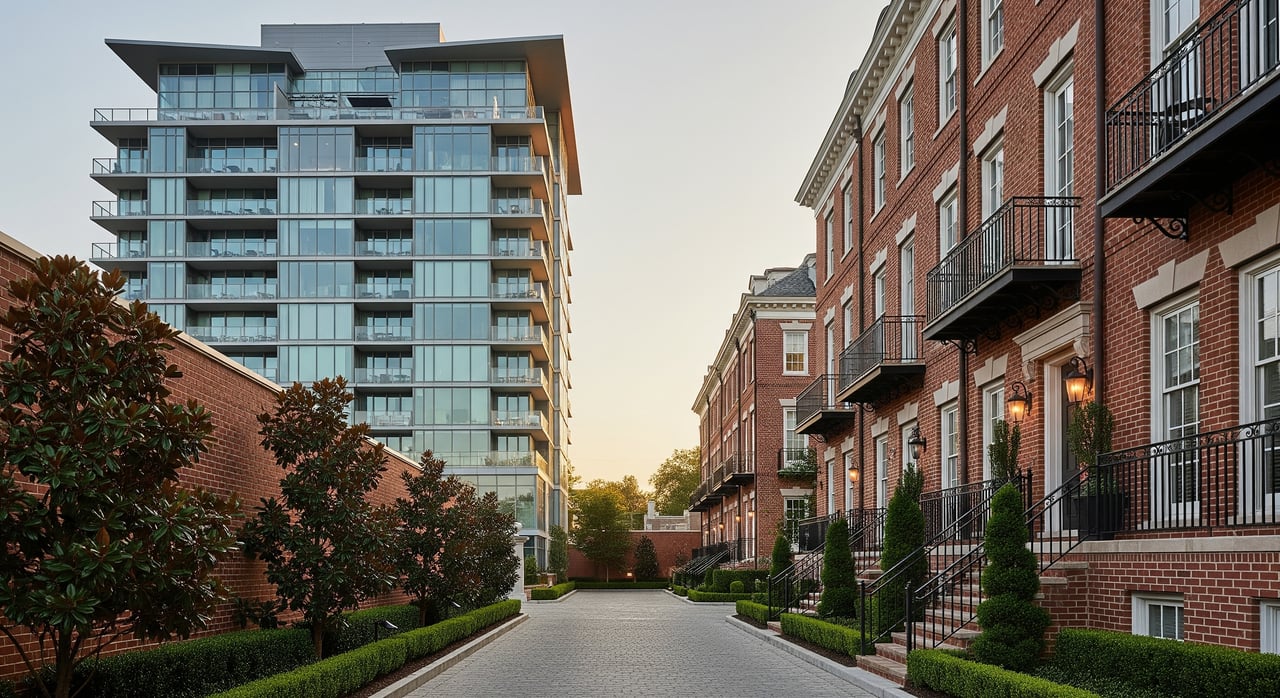
Condos in Buckhead’s major retail and dining corridors often provide a lock-and-leave lifestyle with on-site services. Think concierge, valet, controlled access, fitness centers, pools, social lounges, and private parking garages. You will find many towers near Buckhead Village, Lenox Square, and Phipps Plaza, with convenient access to office centers and MARTA.
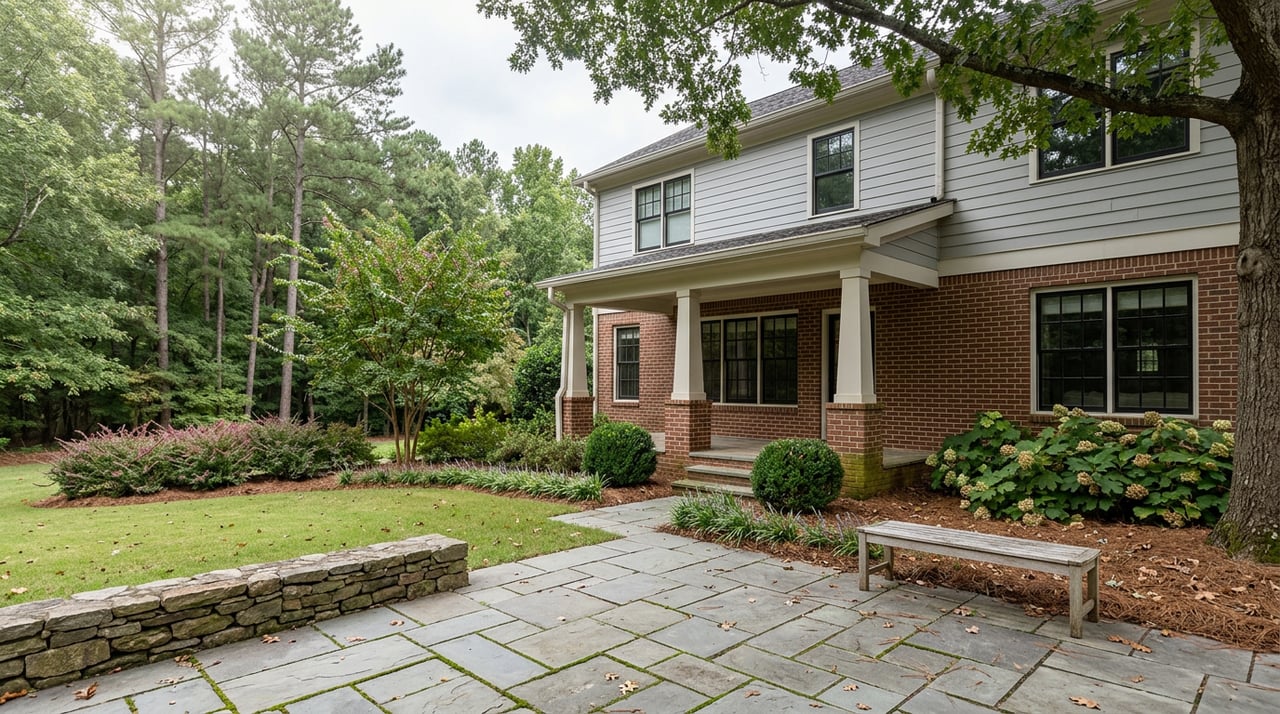
Townhomes tend to offer more private space and a residential feel. You may get a private garage, small yard or terrace, and a true front-door entry. Amenities vary, and full-service staffing is less common. Many townhome enclaves sit in quieter pockets while still offering quick access to Buckhead’s retail and restaurants.
Resale drivers that matter most
In Buckhead, resale value hinges on building health and location more than the label of condo or townhome. Focus on:
- Reputation and management quality of the building or association
- Reserve strength and special assessment history
- Walkability and proximity to Buckhead’s retail, dining, offices, and MARTA
- Views, floor plan efficiency, storage, parking, and private outdoor space
- Age and quality of finishes, plus condition of systems and mechanicals
- Owner-occupancy rates and rental policies
Condos in newer, well-run buildings with robust amenities and strong reserves often sell quickly to buyers seeking the same lifestyle. Older buildings with deferred maintenance may lag. Townhomes appeal to a broad buyer pool that values single-family traits within an HOA setting.
Financing and leasing considerations
Financing can be simpler for many townhomes because lenders often treat them like single-family homes. Condo financing can be more complex if a project lacks certain lender approvals. Strict leasing rules and rental caps can narrow the buyer pool for condos. High investor concentration can also affect mortgage underwriting and pricing for both property types.
If you plan to rent, confirm both the City of Atlanta’s short-term rental rules and the association’s leasing policies. Do not rely on assumptions. Check the documents.
Step-by-step comparison checklist
Use this process to compare a Buckhead condo and townhome side by side:
- Confirm ownership type. Determine whether the townhome is fee-simple or condominiumized, and review the condo declaration or CC&Rs.
- Map maintenance responsibilities. Identify who pays for roof, exterior, windows, and major systems.
- Review insurance. Compare the master policy coverage to required owner coverage and estimate premiums accordingly.
- Analyze fees and utilities. Note what dues include, utility pass-throughs, and parking or storage fees.
- Evaluate reserves. Read the reserve study, current balances, and planned capital projects.
- Check assessment history. Look for recent or frequent special assessments and the reasons behind them.
- Study leasing rules. Confirm rental caps, waitlists, lease terms, and investor ratios.
- Assess location value. Consider walkability to Buckhead Village, Lenox, Phipps, transit, parks, and offices.
- Inspect systems and amenities. For condos, review elevator maintenance and mechanicals. For townhomes, check exterior condition and lot boundaries.
- Estimate total monthly cost. Combine dues, property taxes, insurance, utilities, and parking to get an apples-to-apples number.
Red flags to watch
- Low or zero reserves, or unclear reserve strategy
- Ongoing or frequent special assessments
- Pending litigation involving the association
- High rental or investor concentration that may affect mortgage availability
- Unclear responsibility for major repairs like roofs or HVAC
- Recent steep fee increases without a transparent plan
Which one fits your lifestyle
Choose a Buckhead condo if you want a lock-and-leave lifestyle, on-site services, and close proximity to shopping and dining. Expect higher dues that fund staffing, amenities, and building systems.
Choose a Buckhead townhome if you prefer private entries, garages, and small outdoor spaces with a residential feel. You may see lower base dues, but confirm whether you are responsible for roof and exterior maintenance.
Selling in an HOA community
If you plan to sell, help buyers move faster by assembling a clean HOA package early. Offer:
- Budget, financials, and the latest reserve study
- Minutes from recent board meetings and any assessment history
- Insurance summary for the master policy
- Clear rental policy, pet rules, and owner-occupancy rates
- Parking, storage, and utility inclusions
Transparent documentation can shorten timelines and support stronger offers.
Ready to compare specific Buckhead buildings or townhome enclaves and see how the numbers shake out for your situation? Reach out to the Christine Bradley Team for a focused consultation and a clear plan.
FAQs
What do Buckhead condo fees usually include?
- Most cover common-area maintenance, building systems like elevators, amenities such as pools and fitness centers, a master insurance policy for shared elements, and contributions to reserves. Some include utilities like water or trash.
Why are condo dues often higher than townhome dues?
- High-rise systems, on-site staff, security, and extensive amenities raise operating costs. Townhomes usually have fewer shared systems and less staffing.
How do reserves and special assessments affect resale?
- Strong reserves reduce the risk of surprise assessments and support buyer confidence. Frequent or large assessments can hurt marketability and pricing.
Are Buckhead townhomes easier to finance than condos?
- Often yes, because many lenders treat townhomes like single-family homes. Condos may face project-level requirements that limit certain loan options for some buyers.
What documents should I review before buying?
- Ask for the HOA budget and financials, reserve study, recent board minutes, CC&Rs and rules, rental and pet policies, master insurance summary, and any litigation disclosures.
Do HOA dues include utilities in Buckhead?
- Sometimes. Many condos include water and trash, and some include gas. Townhomes more often bill utilities directly. Always verify the inclusions in writing.
What determines resale value more: property type or building health?
- Building or association health, location, and restrictions typically matter more than whether it is a condo or townhome. Management quality and reserves are key.
Who handles roof and exterior maintenance for townhomes?
- It depends on the legal structure and CC&Rs. Fee-simple townhomes often require the owner to maintain the exterior and roof. Some associations handle exteriors, so confirm the documents.
How do leasing rules impact value?
- Rental caps and strict leasing policies can narrow the buyer pool and affect financing. Check both association rules and city requirements for short-term rentals.
What should sellers prepare to speed up a sale?
- Provide financials, reserve study, meeting minutes, insurance summary, rental rules, parking and storage details, and clarity on utilities. Buyers move faster with complete information.