Is Atlanta’s Upper Westside Right For Your First Home?
March 12, 2026
March 12, 2026
You want your first home to feel like a smart move and a great fit for daily life. Atlanta’s Upper Westside has been on many buyers’ short lists, thanks to a growing mix of parks, restaurants, and new housing. Still, every block can feel different, and prices vary by product type and proximity to amenities. In this guide, you’ll learn what “Upper Westside” really covers, what you can buy and for how much, how you’ll get around, and a checklist to help you decide with confidence. Let’s dive in.
Upper Westside is a district name used by the Upper Westside Community Improvement District and local developers for the slice of intown Atlanta west of I‑75 and inside the Perimeter. It spans several historic neighborhoods, including Blandtown, Marietta Street Artery, Riverside, Bolton, and Knight Park/Howell Station, plus parts of Underwood Hills. The name is active in plans and marketing but it is not a single legal neighborhood. Expect local variation in how people label specific blocks and developments. You can explore current projects and the district overview through the Upper Westside CID.
Shirley Clarke Franklin Park, commonly called Westside Park, transformed the old Bellwood Quarry into Atlanta’s largest park and an emergency reservoir. It is now a major regional amenity with wide paths, striking views, and ongoing plans for future trail links. Many buyers choose nearby streets to be close to this greenspace, which is a rare find on the city’s west side. See a recent look at how the park has performed since opening from Urbanize Atlanta.
The Works is an 80‑acre adaptive‑reuse and mixed‑use destination that turned industrial warehouses into a hub for food, retail, creative office, and planned housing. It is a clear example of how former industrial corridors are evolving. The site’s industrial mixed use zoning, or I‑MIX, allows residential and light industrial uses to sit together on parcels that once held only warehouses. Learn more about the vision and zoning context at Selig Enterprises’ project page.
The Upper Westside CID is building smaller projects like parklets, spur trails, and a district parking and wayfinding tool. These efforts aim to reduce historic access gaps and make it easier to move without a car. The city and partners are also advancing spur trail links to connect Upper Westside to downtown and BeltLine segments. For background on the connectivity push, see this overview from GPB.
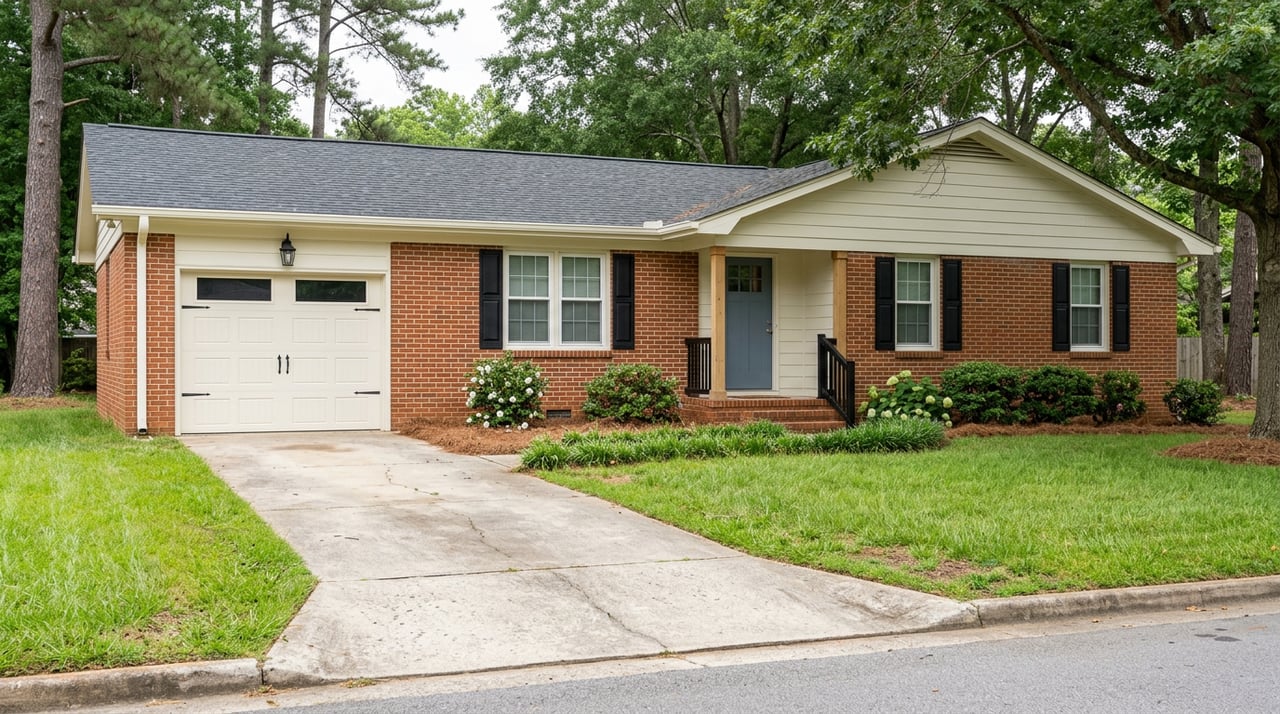
You will see a wide range of housing types across the Upper Westside. Along Howell Mill and Marietta corridors, you can find condos, small flats, and loft‑style adaptive‑reuse units in older industrial buildings that were converted. Newer townhomes and stacked townhomes appear in infill pockets and small communities. In several micro‑neighborhoods, you will also spot renovated bungalows and craftsman‑style single‑family homes on quieter residential streets.
Pricing varies by block and build type. Zip‑level snapshots for 30318, which overlaps much of the area, have shown recent medians around the mid‑$300Ks to upper‑$300Ks. Condos and townhomes commonly fall from the mid‑$300Ks to low‑$500Ks, depending on size, finishes, and walkability to restaurants or The Works. Fully renovated single‑family homes near major amenities often start around $450K and can run higher based on the street and renovation level. Treat these figures as ballpark context and verify current comps when you are ready to write an offer.
Two tips help first‑time buyers protect value here:
Driving is the dominant way to get around, but rush hours stretch travel times. A trip that takes 5 to 10 minutes off‑peak into Midtown or Downtown can run about 15 to 25 minutes in peak periods, and longer for routes that use the Downtown Connector or the Perimeter. That variability matters if you commute at set times. For a plain‑English pulse on traffic patterns, review this overview of Atlanta rush hour from Atlanta.com.
The Upper Westside has useful bus service along Howell Mill and Marietta that connects to MARTA rail hubs like Midtown Station. Some residents pair buses with park‑and‑ride or use rideshare for first‑mile or last‑mile needs. If transit access is important, map the specific address to nearby bus stops and schedules. You can check route patterns and connections via Moovit’s Midtown hub page.
Parking and wayfinding continue to evolve as the restaurant scene grows. The Upper Westside CID launched an interactive parking map to help visitors and highlight available garages and lots. If you or your guests often park in the evening, confirm options near your home and favorite dinner spots. Read about the initiative at Metro Atlanta CEO.
The Upper Westside thrives on its food and design scene. Along Howell Mill and Marietta, you will find clusters of restaurants, breweries, food halls, and creative retail, with energy that peaks on evenings and weekends. The Works, Westside Provisions, the Interlock, and other adaptive‑reuse sites help define the area’s urban‑industrial vibe. For a quick snapshot of the West Midtown atmosphere and anchors, browse this neighborhood guide from Discover Atlanta.
On the outdoor side, Shirley Clarke Franklin Park offers large‑scale greenspace and scenic overlooks that are unusual on the west side of the city. Small CID parklets and public spaces at developments like The Works give you additional spots for a casual walk or a coffee outside. These amenities are part of why first‑time buyers who want flexible weekend plans keep the Upper Westside on their radar. You can see recent coverage of park impact at Urbanize Atlanta.
Most addresses within the city are served by Atlanta Public Schools. School assignments vary by block, so always confirm the exact zone for a given property using the district’s address tools on the Atlanta Public Schools website.
Use this quick checklist before you write an offer:
If you want intown energy with flexible dining and a major new park, the Upper Westside offers a compelling mix. You will trade a bit of commute certainty and see price swings by block, but you will gain access to evolving amenities and a broad set of housing options. The key is to evaluate by micro‑neighborhood, anchor your price to fresh comps, and test your daily routine on the ground. When you do that, you will know whether this part of Atlanta fits your lifestyle and budget.
If you are ready to explore listings or want a tailored game plan, connect with the Christine Bradley Team for local guidance and a clear path from search to close.
Our team’s unprecedented professionalism, skill, and attention to detail has allowed us to set sales records for the past 30 years. We will ensure your buying or selling experience exceeds your expectations.
Get In Touch With Our Team To Learn More
ADDRESS 3290 Northside Parkway Ste. 200 Northwest Atlanta, GA 30327