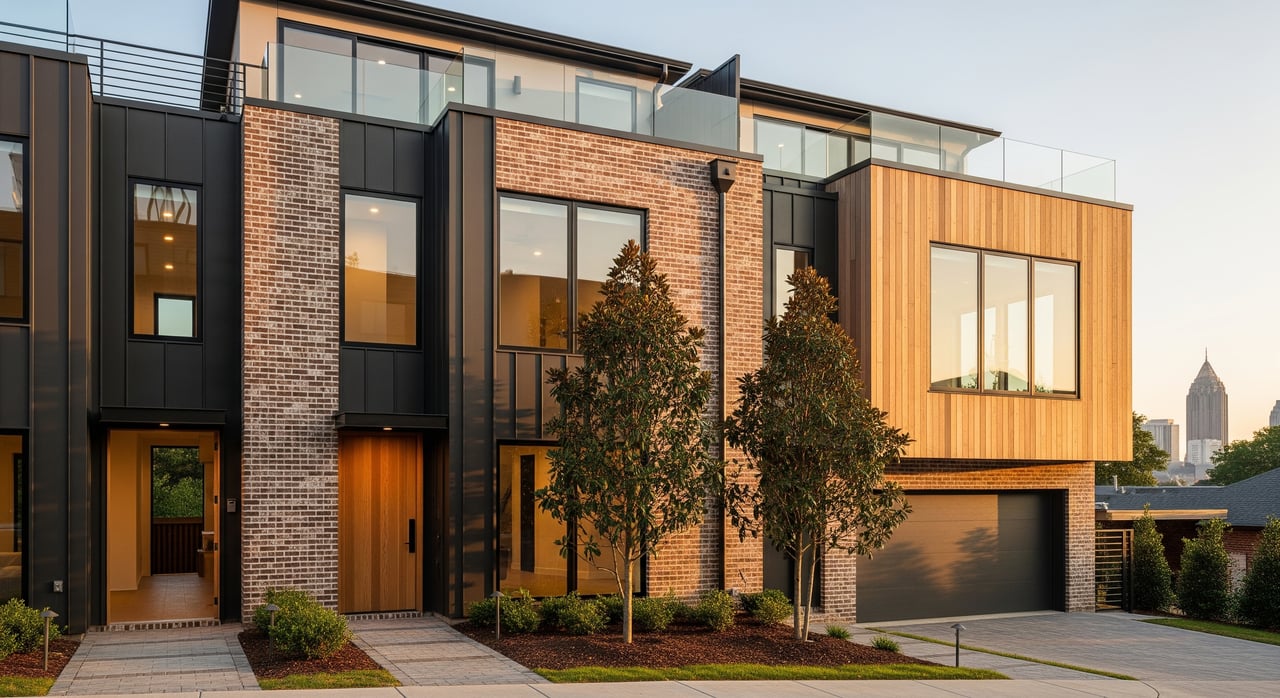
Buying New Construction in the Upper Westside
January 8, 2026
January 8, 2026
Thinking about a brand-new townhome or single-family build near central Atlanta? The Upper Westside puts you close to major job centers, parks, and river access while offering modern layouts and fresh systems. If you want clean design, lower near-term maintenance, and some customization, new construction can be a smart path. This guide shows you how to buy new in the Upper Westside with confidence, from pricing and contracts to inspections, timelines, and warranties. Let’s dive in.
You see a mix of townhomes, infill single-family homes, and condo or loft options in this pocket of Northwest Atlanta. Many sites were industrial and are now being redeveloped into mixed-use neighborhoods. That brings urban convenience, retail, and lifestyle amenities. You also get quick access to major corridors into central Atlanta and nearby parks and river spots.
The area’s mix of zoning types means the block can change over time. Always confirm nearby parcels and planned uses before you commit. New construction here often highlights proximity to green space and modern community features. If a low-maintenance lifestyle with strong connectivity fits your goals, this area is worth a close look.
New builds usually cost more per square foot than nearby resale homes because you pay for new systems, energy efficiency, and customization options. Builders also add lot premiums for preferred locations and charge for upgrades that sit on top of the base price. These extras can add up fast. Closed sales of comparable new homes are the best guide when you evaluate value.
Market conditions change. For current trends on pricing and inventory, review the latest Metro Atlanta reports from the Atlanta REALTORS Association. Your agent can also pull recent closings from the local MLS to help you gauge negotiating room in a specific community.
Choose based on how you live. Think about parking, outdoor space, maintenance, and monthly dues.
Study zoning, permitted uses, and any neighborhood plans. The City publishes zoning maps, permitting guidance, and neighborhood plans through the Department of City Planning. Confirm whether adjacent parcels might transition to different uses. This helps you avoid surprises after you move in.
Some Upper Westside parcels were once industrial. Ask if the site has any remediation history or restrictions. You can check records or programs through the Georgia Environmental Protection Division. If you have concerns, discuss environmental testing and legal review before you proceed.
If the property is near the river or a creek, verify flood zone status. Use the FEMA Flood Map Service Center to view the floodplain. Flood designation can affect insurance, building requirements, and long-term risk. Ask the builder how stormwater is managed on site and how it ties into the community plan.
Confirm who provides water, sewer, power, and gas, and whether there are impact or connection fees the builder passes to buyers. Know when meters will be set, which services are included, and any required deposits. Factor these costs into your move-in budget.
Builders generally use their own purchase agreements with staged deposits. Expect clear deadlines for selections, upgrades, and change orders. Ask for a written list of everything included in the base price so you can avoid surprises. Clarify how change orders are priced and when they must be approved.
Scrutinize the estimated completion date and the clause that addresses delays. Weather, utility work, and permitting can push schedules. Make sure the contract explains your remedies if the timeline slips. Also confirm the appliances, landscaping, and fixtures you will receive at delivery.
You can buy with a construction-to-permanent loan, use a builder’s preferred lender with incentives, or close with a conventional or government-backed mortgage if the home is finished. To compare options, start with the CFPB’s mortgage resources for practical guidance. If you plan to use FHA or VA, review new construction program requirements through HUD’s Single Family Housing resources.
Appraisals rely on recent closed sales. In fast-changing areas, closed comps may lag list prices, which can affect loan-to-value. If an appraisal comes in low, you might renegotiate or adjust your loan strategy. Plan for this possibility when you set your budget and contingencies.
Townhomes and condos can move faster than custom single-family builds, but every site is different. Permitting, site prep, remediation, and weather can influence timing. You can track permitting and code requirements through the City’s Office of Buildings. You will need a Certificate of Occupancy before closing and move-in.
Ask for a milestone schedule that covers foundation, framing, mechanicals, inspections, and finish stages. Build in buffer time for utility connections and final punch list work. Keep all approvals and change orders in writing.
Even brand-new homes benefit from third-party inspections. Consider:
Hire an independent inspector with new-construction experience. Independent eyes help you catch issues early and document items for your warranty.
Most builders provide a warranty, commonly a one-year workmanship period, two to three years on major systems, and a longer structural component. Get the full warranty booklet and claims process in writing. Create a punch list during your final walk-through and track resolution dates.
If problems arise after closing, document everything with photos and dates. For guidance and consumer protections, you can consult the Georgia Department of Law’s Consumer Protection Division. Keep copies of all service requests and builder responses.
Many Upper Westside communities include HOAs. Review the covenants, budget, reserve study, and any known special assessments. Ask about rules for leasing and short-term rentals if that matters to your plan.
Property taxes on new construction may start with lot value and adjust after improvements are assessed. Check parcel assessments and timelines with the Fulton County Board of Assessors. Some areas may sit within improvement districts that add fees, so verify any district assessments with your closing attorney or the city.
Representation matters in new builds. Builders expect you to have an agent, and your agent can help you structure protections and compare communities on true apples-to-apples terms.
Before contract
During construction
Final walk-through and closing
If you are weighing townhome vs. single-family, or you want help comparing communities and builder contracts, we can guide you. Our team works new construction across Northwest Atlanta with a focus on smooth process management, clear timelines, and due diligence that protects your value. Ready to map a plan for the Upper Westside? Reach out to the Christine Bradley Team to start your search.



Our team’s unprecedented professionalism, skill, and attention to detail has allowed us to set sales records for the past 30 years. We will ensure your buying or selling experience exceeds your expectations.
Get In Touch With Our Team To Learn More
ADDRESS 3290 Northside Parkway Ste. 200 Northwest Atlanta, GA 30327