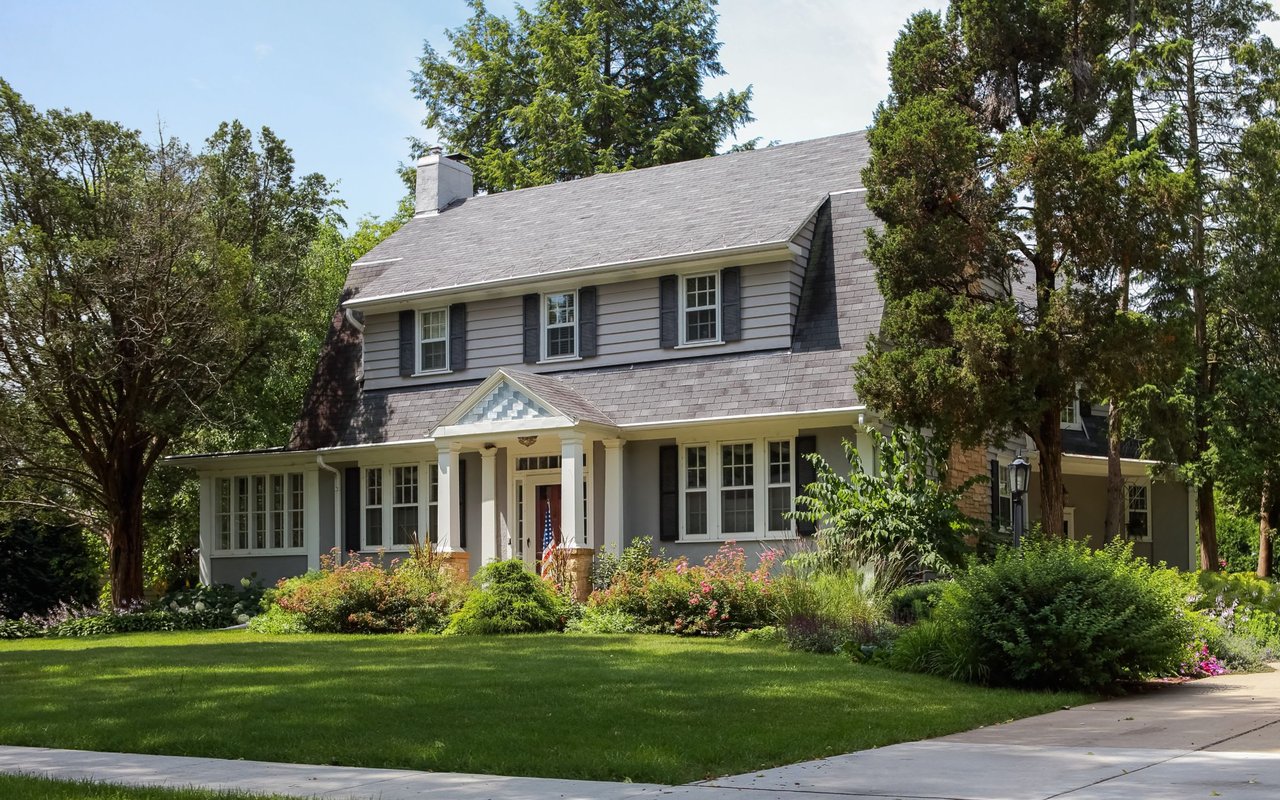
HOAs in Smyrna: Fees, Rules, and What They Cover

January 1, 2026

Thinking about a home in Smyrna and trying to make sense of HOA fees and rules? You’re not alone. Understanding what you’ll pay, what those dues cover, and how rules work can protect your budget and your plans for the property. In this guide, you’ll learn the typical fee ranges in Cobb County, what HOAs usually include, common rules and enforcement, and the documents you should review before you commit. Let’s dive in.

HOA basics in Smyrna, Cobb County

Smyrna includes a mix of condominium associations, single-family subdivisions, and larger master-planned communities. Each type handles budgets and maintenance differently. Condos usually have higher monthly assessments because the association maintains building exteriors and common systems, while small subdivisions tend to have lower dues if there are few shared amenities.

Your rights and obligations come from the community’s recorded Declaration of Covenants, Conditions and Restrictions (CC&Rs), bylaws, and rules and regulations. The city or county does not set HOA fees or rules, though local ordinances still apply. Always review the governing documents for the exact property you’re considering.

What HOA fees cost

HOAs collect recurring assessments to fund operations, insurance, maintenance, reserves, and amenities. In Smyrna, billing can be monthly, quarterly, or annually, and actual numbers vary by community.

Regular assessments

  • Small single-family subdivisions often range from roughly $25 to $200 per month, depending on services and amenities.
  • Condominiums or amenity-heavy communities commonly range from about $200 to $600 or more per month.
  • These are general ranges. Specific communities can land below or above these figures.

Special assessments

Associations may levy one-time special assessments for capital projects like roof replacements, paving, or major repairs. These can run from a few hundred to several thousand dollars per owner, depending on scope. A strong reserve fund lowers the risk of large surprises.

Transaction-related fees

  • Resale certificate or estoppel letter: Confirms current dues, payment status, and any pending assessments or violations. This is often required by lenders and charged to the seller or buyer at closing.
  • Transfer or processing fee: A flat fee some HOAs charge at closing.
  • Document preparation fees: For sets of CC&Rs, bylaws, and rules.

Penalties and reserves

Most governing documents permit late fees, interest on unpaid assessments, and collection costs. Healthy HOAs approve budgets and conduct reserve studies to plan for long-term repairs. Low or negative reserves often correlate with a higher chance of special assessments.

What to request to confirm costs

  • Current budget and recent financial statements
  • Reserve study and reserve fund balance
  • History of special assessments and dues increases
  • Current assessment amount and billing schedule
  • Late fee, interest, and collection policies
  • Resale certificate or estoppel letter showing balances and pending assessments

What HOAs cover vs what you pay

What the HOA covers depends on the property type and the governing documents. Expect differences between condos, townhome associations, and single-family subdivisions.

Typical HOA-covered items

  • Common-area maintenance such as landscaping, lighting, signage, and entry features
  • Amenity operations and upkeep like pools, clubhouses, playgrounds, tennis courts, and fitness rooms
  • Exterior building maintenance and roofing in many condo and some townhome communities
  • Insurance for common areas and, in some communities, a master policy that covers exterior elements
  • Private road maintenance within the community
  • Security services in some gated or master-planned neighborhoods
  • Professional management company fees, when used

Typical owner-paid items

  • Interior maintenance and repairs, including walls, fixtures, appliances
  • Utilities tied to the home, unless the community bundles certain services
  • Property taxes and your personal homeowners insurance policy
  • Mortgage payments and any personal lines of credit

Insurance basics

  • Master policy vs. individual policy: Understand what the master policy covers and where your individual policy must take over.
  • Deductibles: Some associations assess master policy deductibles to owners. Review how deductibles are handled.

Rules you are likely to see

HOA rules aim to protect common areas and maintain property standards. Read the full CC&Rs and rules to make sure your plans align.

Architectural changes and exterior standards

Many communities require written approval for additions, paint, fencing, hardscaping, outbuildings, satellite dishes, and major landscaping. You typically submit an application to an architectural review committee with plans and timelines. Get approvals in writing and keep records.

Use, parking, and pets

Rules often address parking limits, guest parking, and storage of boats, trailers, or RVs. Noise and nuisance guidelines, trash set-out times, and home-based business restrictions are common. Pet policies may limit number or size, and usually require leashes and waste removal.

Rentals and leasing

Some associations limit rentals or require registration. Others allow more flexibility. If you plan to rent, especially for short-term stays, confirm both HOA rules and any municipal requirements before you buy.

Amenities and common areas

Expect rules for pool use, clubhouse reservations, guest policies, and fitness rooms. Review hours, reservation systems, deposits, and any suspension policies for violations or unpaid dues.

Enforcement and your options in Georgia

Associations can levy fines, suspend amenity access for violations or nonpayment, and place liens for unpaid assessments. Under many declarations and applicable law, HOAs in Georgia may pursue foreclosure on those liens. Procedures and timelines depend on the governing documents and state requirements.

If you receive a notice, take it seriously and respond on time. Many associations have internal hearing or appeal processes. Mediation or arbitration may be available. For complex disputes or potential foreclosure, consult experienced local counsel.

Due diligence checklist for Smyrna buyers

Request and review these items early in your contract period:

  • Recorded CC&Rs, bylaws, and rules and regulations
  • Latest operating budget and financial statements
  • Most recent reserve study or reserve plan
  • Board and membership meeting minutes for the last 12 to 24 months
  • Resale certificate or estoppel letter covering dues, delinquencies, and pending assessments
  • Insurance declarations for the master policy
  • Any pending litigation involving the association
  • Management contract and the manager’s contact info
  • Violation history or open enforcement items for the specific property
  • Leasing and short-term rental rules, plus any approval requirements

Tips for Smyrna sellers

  • Order required HOA documents early so your buyer and lender can review without delays.
  • Confirm your account is current and resolve violations before listing, if possible.
  • Be prepared for transfer, processing, or document fees at closing.
  • Provide buyers with clear contacts for the manager or board to streamline questions.

Red flags and negotiation points

  • Low or negative reserves and recent or frequent special assessments
  • Large planned capital projects without funding identified
  • Ongoing litigation involving the HOA
  • Restrictive rental caps if you intend to rent
  • Highly contentious board minutes or repeated violation disputes

These can affect your total cost of ownership, your ability to rent, or closing timelines. Use findings to negotiate repairs, credits, or timing.

Who maintains roads and utilities

Responsibility can vary by community. Some roads are private and maintained by the HOA, while others are public and maintained by the city or county. To confirm, check the recorded plat and the HOA documents, then verify with the City of Smyrna or Cobb County public works if needed.

Putting it all together

The bottom line in Smyrna is simple. Fees and rules vary widely, and the best protection is careful review of the governing documents, financials, and the resale certificate. Budget for assessments, confirm any planned uses like renting or renovations, and understand the master insurance policy so your coverage lines up.

If you want help comparing communities or reviewing HOA implications for a specific property, the Christine Bradley Team can guide you through the details and timing. When you are ready to take the next step, contact the Christine Bradley Team to ask questions or Get a Free Home Valuation.
FAQs

How much are HOA fees in Smyrna?

  • Fees vary by community and property type. Small subdivisions often run about $25 to $200 per month, while condos or amenity-heavy communities can be $200 to $600 or more. Always confirm exact amounts with the HOA.

What do HOA dues typically cover in Cobb County?

  • Dues often cover common-area upkeep, amenities, master insurance, private road maintenance, and management costs. Owners usually pay interior repairs, utilities, property taxes, and personal insurance.

What is a resale certificate or estoppel letter?

  • It’s a document from the HOA that confirms current dues, payment status, and any pending assessments or violations. Lenders often require it, so request it early in the transaction.

Can an HOA in Georgia foreclose if I don’t pay?

  • HOAs can place liens for unpaid assessments and, under many declarations and applicable law, may pursue foreclosure. Respond quickly and seek legal guidance if you face collection or foreclosure actions.

Can the HOA limit or stop me from renting my home?

  • Many communities have rental caps or registration requirements. If renting is part of your plan, review the CC&Rs and rules before you buy and confirm any municipal requirements.

How do I confirm who maintains a road or pipe near my home?

  • Check the recorded plat and HOA documents for responsibility. For public infrastructure, verify with the City of Smyrna or Cobb County offices.

What red flags should buyers look for in HOA documents?

  • Low reserves, frequent special assessments, pending litigation, strict rental caps if you plan to rent, and contentious meeting minutes are common warning signs.

What should sellers do to avoid HOA-related closing delays?

  • Order HOA documents and the resale certificate early, clear any violations, and be ready for transfer or document fees at closing to keep timelines on track.

Work With Us

Our team’s unprecedented professionalism, skill, and attention to detail has allowed us to set sales records for the past 30 years. We will ensure your buying or selling experience exceeds your expectations.