Renovate Or Rebuild In Buckhead? How To Decide
June 18, 2026
June 18, 2026
If you own an older home in Buckhead, you may be asking a big question: should you renovate what you have or start over with a rebuild? It is a smart question, and in Buckhead, the answer is rarely simple. Between historic homes, varied lot sizes, zoning rules, and changing resale dynamics, the right path depends on more than construction cost alone. This guide will help you weigh the key factors so you can make a clearer, more confident decision. Let’s dive in.
Buckhead has a long and varied residential history, which is one reason the renovate-versus-rebuild decision comes up so often. City historic records show that parts of Buckhead developed as estate areas along Peachtree Road, while nearby subdivisions like Peachtree Heights Park and Tuxedo Park followed in the early 1900s.
That history still shapes the area today. Some streets have large estate-style lots and older homes with lasting architectural presence, while others have more compact lots or later infill housing. In other words, Buckhead is not one uniform teardown market.
That matters because the best choice for one property may be the wrong one a few blocks away. A well-located older home may be worth preserving and improving, while another property may function better as a land-and-location opportunity if zoning and site conditions support new construction.
Before you compare renovation budgets to rebuild budgets, you need to know what the property can legally support. In Atlanta, zoning regulates height, size, placement, density, and parking, and construction, demolition, alteration, and repair generally require permits unless exempt.
Buckhead properties can fall under very different zoning districts. The City of Atlanta zoning district list includes a wide range of residential categories, and lot standards can vary sharply from one district to another. That means you should never assume a lot can support a teardown and new build just because a nearby property did.
For example, the city’s zoning materials show that some residential districts have much larger minimum lot sizes and stricter setback rules than others. The buildable envelope on one lot may be far more limited than the lot next door, even if the homes look similar from the street.
One of the most important early steps is measuring the likely buildable envelope. That includes front, side, and rear setbacks, lot area, lot coverage, and frontage.
If your current home already fits comfortably within that envelope, renovation may be the more practical choice. If the structure underuses a strong lot and a new home would fit within zoning limits, rebuilding may deserve a closer look.
Buckhead is not covered by a single zoning framework. Some properties may also fall within special public interest districts such as SPI-9 Buckhead Commercial Core or SPI-12 Buckhead/Lenox Station.
According to the city’s Special Administrative Permit process, all SPI districts require an SAP before filing for a building permit. If your property sits in one of these districts, a rebuild or major redevelopment plan may involve another layer of review and timing.
Some lots come with added legal hurdles that are easy to miss early on. Atlanta rules require a special use permit for new single-family detached dwellings on certain landlocked lots in residential districts, and current district pages for R-2 and R-2A also note that lots without existing street frontage need a special use permit for a single-family detached dwelling.
This is one reason a quick feasibility check matters so much. A lot that looks promising on paper may carry approval risks that affect both timeline and budget.
In Buckhead, historic status is a major factor in this decision. Atlanta’s Historic Preservation guidance says property owners should check the GIS Property Info map to see whether a property is in a historic or landmark district.
If it is, the scope of work may require a Certificate of Appropriateness and possibly review by the Urban Design Commission. That does not automatically rule out a major project, but it can change what is possible and how long approvals may take.
For many owners, this is where renovation starts to make more sense. If the home contributes to the block’s established character and the structure is still sound, improving the existing home may align better with both the property and the review process.
Homeowners often focus on design and construction cost first, but demolition and tree rules can have a real impact on schedule and budget. Atlanta’s Residential Demolition Permit form states that residential demolition applications are reviewed under Municipal Code Section 8-2076.1.
Tree review is also important. The city’s Arborist Division says any permit application that may affect trees must include a formal Arborist Meeting before submission, and the Tree Ordinance limits removal except as allowed under city rules.
In practical terms, this means a rebuild is not just about replacing one house with another. Trees, canopy preservation, and demolition review can all influence feasibility, site layout, and project timing.
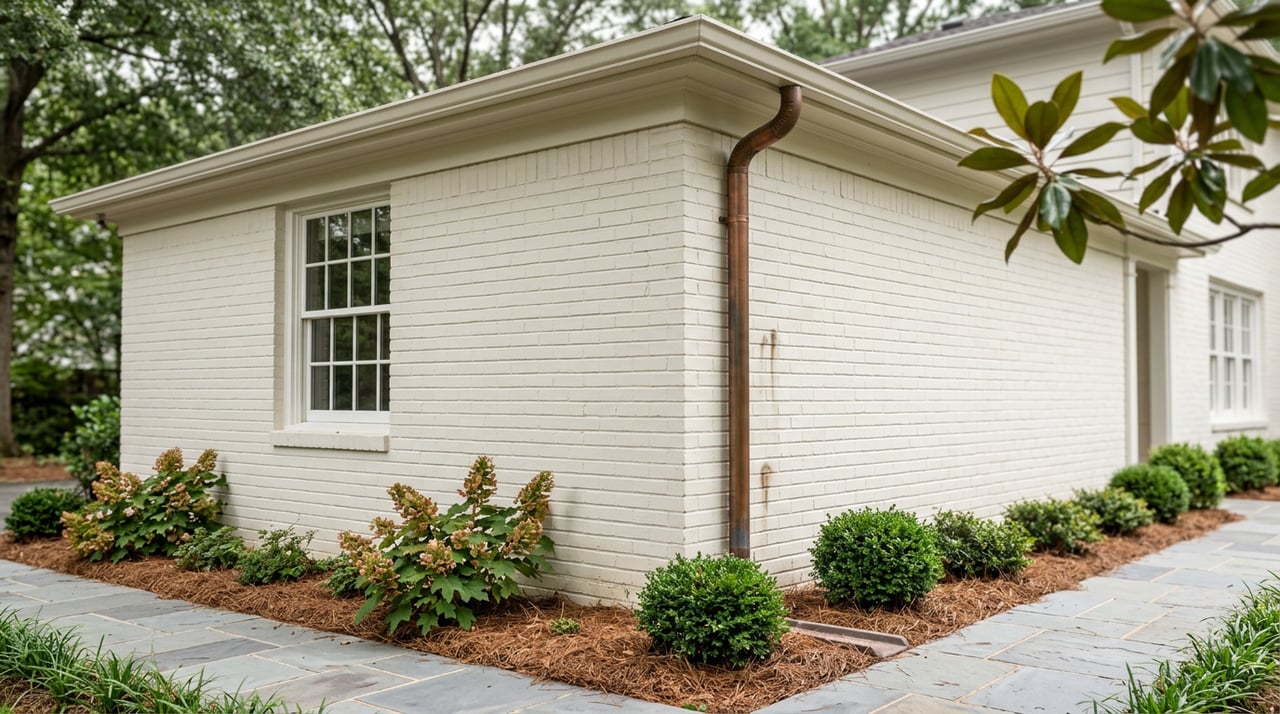
Renovation usually makes more sense when the existing home still works well with the lot and surrounding context. That can be especially true in Buckhead, where some homes reflect the area’s earlier estate and subdivision history and still contribute to the feel of the street.
A renovation may be the better path when:
A strong renovation can also position a home well for resale if buyers in that pocket value character, condition, and location over brand-new construction. In a buyer’s market, finished quality and usability matter.
A rebuild usually becomes more compelling when the lot is the main asset. If the current house has an obsolete layout, significant functional limitations, or would require extensive structural changes to meet your goals, starting fresh may be cleaner.
The Fulton County appraisal methodology offers a helpful way to think about this. Under the cost approach, property value reflects replacement cost new of the improvement minus depreciation, plus land value. On prime Buckhead lots, the land component can carry a large share of value, which is why some older homes are better understood as land-and-location opportunities.
That does not mean every older home should be torn down. It means you should look closely at whether the existing structure still adds enough value to justify keeping it.
A rebuild may make more sense when:
This is where many owners go wrong. They compare renovation cost to rebuild cost, but they do not spend enough time studying the likely resale outcome.
That matters even more in the current market. Realtor.com’s April 2026 Buckhead overview described the neighborhood as a buyer’s market, with 975 homes for sale, a median listing price of $465,000, a median sold price of $675,000, and 54 days on market.
In a market like that, your exit strategy matters. Whether you renovate or rebuild, the finished home needs to justify itself through layout, condition, presentation, and site usability compared with nearby alternatives.
Buckhead is too varied for broad-brush pricing logic. Comps should come from the same micro-area, zoning class, and housing era whenever possible.
A renovated house on a compact residential street should not be measured against estate-scale homes in a very different section of Buckhead. Likewise, a custom rebuild should be compared to homes with similar lot context and product type, not just the broader Buckhead market.
If you are trying to make this call, a practical framework can help. Start with what the lot and local rules allow, then work outward to cost and resale.
Confirm the zoning district, setbacks, lot size requirements, frontage, and any special district overlays. This tells you what can realistically be built or expanded.
Find out whether the property is in a historic or landmark district. If so, review requirements may shape the scope of both renovation and rebuild options.
Account for tree impacts, arborist review, and demolition approval early. These items can affect design, budget, and timing.
Look at the structure, layout, and how much of the home can realistically be improved without forcing major structural changes. The goal is to understand whether the house still adds meaningful value.
Run the numbers against resale evidence from the same Buckhead enclave. The right decision is not just the cheaper project. It is the one that makes the most sense for your property, your goals, and the market around you.
In Buckhead, renovating versus rebuilding is rarely a design-only decision. It is a location, zoning, historic-review, tree, timing, and resale decision all at once.
For some properties, a thoughtful renovation protects value and works with the home’s existing strengths. For others, the lot carries the opportunity, and rebuilding may unlock a better long-term result if the site and local rules support it.
If you are weighing this decision in Buckhead, the best first step is a property-specific review grounded in zoning, site constraints, and neighborhood resale evidence. The Christine Bradley Team can help you evaluate your home, your lot, and your options with clear local insight.
Our team’s unprecedented professionalism, skill, and attention to detail has allowed us to set sales records for the past 30 years. We will ensure your buying or selling experience exceeds your expectations.
Get In Touch With Our Team To Learn More
ADDRESS 3290 Northside Parkway Ste. 200 Northwest Atlanta, GA 30327