What To Know About High‑Rise Living In Buckhead
June 11, 2026
June 11, 2026
Curious whether a Buckhead high-rise would actually fit your day-to-day life? If you are weighing convenience, views, amenities, and a more lock-and-leave routine, it helps to know that high-rise living in Buckhead is not one-size-fits-all. The area offers everything from compact condos to larger luxury residences, all shaped by a busy urban setting with transit, retail, and office space close by. Here is what to know before you decide if this lifestyle matches what you want.
Buckhead is not a single condo strip. It is a large mixed-use district made up of 43 neighborhoods, with about 18,600 individual homes and 34,000 multifamily residential units across roughly 20 square miles.
That larger setting matters when you tour buildings. Many of the best-known towers cluster around Peachtree Road, Lenox Road, Tower Place, and the retail and transit spine near Lenox Square, Phipps Plaza, and Buckhead Station.
The Buckhead Station area is considered an urban core environment, and nearby land use is heavily commercial. Within a half-mile of the station, commercial uses account for more than 64% of the land, which helps explain why daily life here often feels more walkable, active, and connected than in many detached-home areas.
For many buyers, the biggest appeal is convenience. Buckhead high-rises often support a low-maintenance routine, where building staff and shared amenities replace some of the upkeep that comes with a larger standalone home.
That can be a strong fit if you travel often, work long hours, or simply want less home maintenance on your plate. It can also appeal to relocation buyers who want a central address near shopping, dining, and major corridors.
At the same time, tower living means you are buying into a shared environment. Amenities, staffing, parking, and common spaces are typically managed collectively through the building, so your lifestyle will be shaped in part by building rules and HOA management.
Buckhead towers often put more emphasis on staff support and shared amenities than on large private outdoor space. In current buildings across the area, common features include concierge service, controlled access, fitness centers, pools, club rooms, guest suites, and pet-focused amenities.
For example, reviewed Buckhead towers advertise features such as 24-hour concierge desks, secure underground parking, rooftop pools, theaters, sports lounges, Pilates studios, dog parks, pet spas, conference rooms, and private storage. The exact mix varies by building, but the overall pattern is clear: convenience is a major part of the value.
If you are comparing options, it helps to focus less on the amenity list alone and more on how you would actually use it. A beautiful pool deck may matter less to you than guest parking, private storage, or a staffed front desk that supports a true lock-and-leave lifestyle.
One of the biggest adjustments for buyers coming from a detached home is parking. In Buckhead high-rises, parking is usually structured, covered, or underground rather than attached to a private driveway or garage.
Some buildings offer secure underground parking, covered spaces, guest parking, or even valet service. Others are more limited and rely on shared garage systems, so it is smart to confirm how many spaces come with a residence and how guest access works.
Buckhead’s zoning approach also helps explain this setup. The district encourages dense, transit-friendly development and shared parking, which means parking is often treated as a building amenity rather than a private extension of the home.
Depending on the building, Buckhead high-rise living can make it easier to drive less. Some towers are close to Buckhead MARTA Station, and the broader district includes The Buc microtransit service in the business core, plus PATH400 for walking and biking.
Recent street improvements along Peachtree Road have also added sidewalks, crossings, bike lanes, and traffic-flow upgrades through the commercial core. Those changes support a more connected daily routine for residents who want to combine driving with walking, transit, or short rides for errands and dining.
That said, convenience comes with a trade-off. The same roads, retail centers, and transit access that make the area connected also create heavier traffic and a busier street environment than you may find in other residential parts of Buckhead.
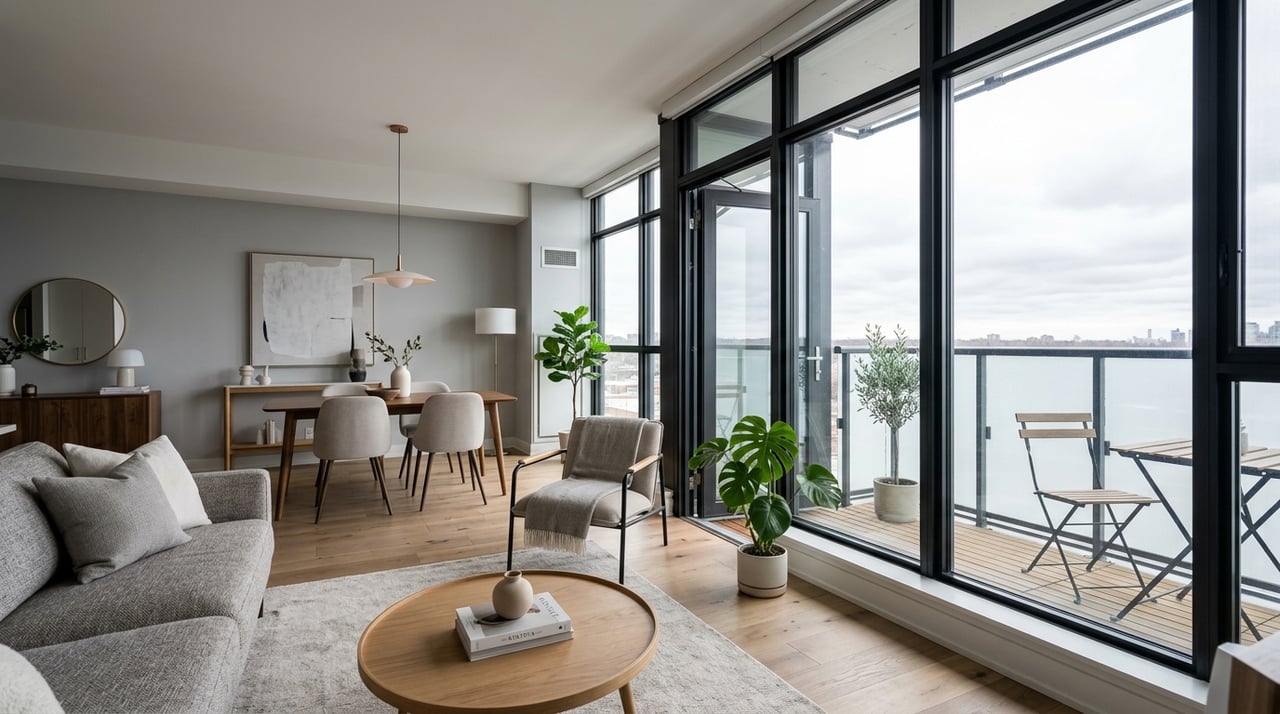
For many buyers, the view is the feature that makes high-rise living feel special. Buckhead towers often showcase skyline views, treetop views, terraces, and floor-to-ceiling windows that create a very different experience from a more traditional home.
This is also where inventory can vary more than buyers expect. Some buildings lean toward one- and two-bedroom homes in a more compact footprint, while others include larger two-bedroom, three-bedroom, and penthouse-style residences with significantly more square footage.
In other words, “high-rise living” in Buckhead can mean very different things depending on the building. You might be choosing between a simple lock-and-leave home and a much larger luxury residence with substantial indoor living space.
If you assume every Buckhead tower has small units, the current inventory mix may surprise you. Some buildings offer one- and two-bedroom layouts starting around the 800-square-foot range, while others reach well beyond that with larger luxury floor plans.
That range matters if you are downsizing but still want room for guests, a home office, or more formal entertaining space. It also matters if you are relocating and want a central Buckhead address without giving up too much square footage.
When you compare options, it helps to look at how the floor plan lives, not just the total size. Window placement, balcony access, storage, and bedroom separation can change how comfortable a home feels day to day.
A common question about Buckhead towers is whether they feel noisy. In practice, noise and privacy usually come down more to a unit’s location and orientation than to a simple old-versus-new building comparison.
Because much of the high-rise concentration sits in an urban core setting with busy streets and commercial activity, lower-floor or street-facing homes may feel more active. Higher-floor or inward-facing residences often feel calmer.
This is why unit selection matters so much. If you are sensitive to traffic sounds or want more privacy, the right stack and floor can be just as important as the building itself.
Buckhead tower living tends to work well for downsizers, busy professionals, relocation buyers, and frequent travelers who value convenience, staff support, and a central location. It is often a strong fit if you want easier access to shopping, dining, MARTA, and major routes without taking on the maintenance of a larger property.
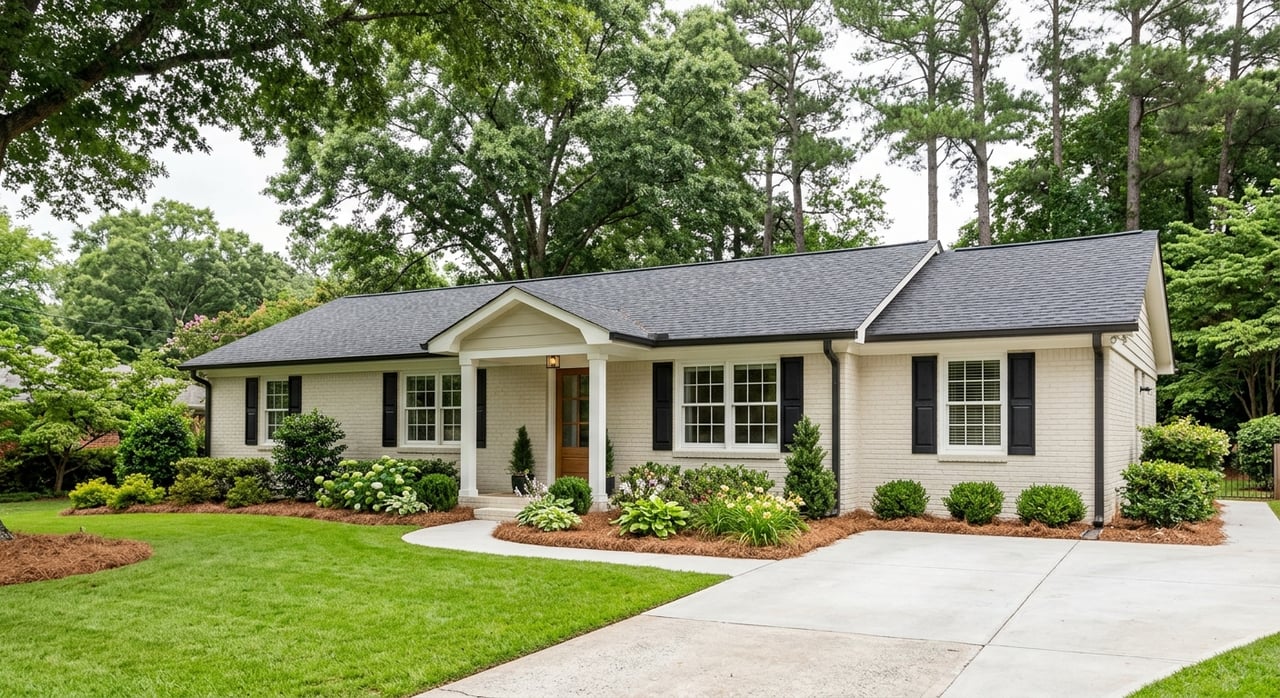
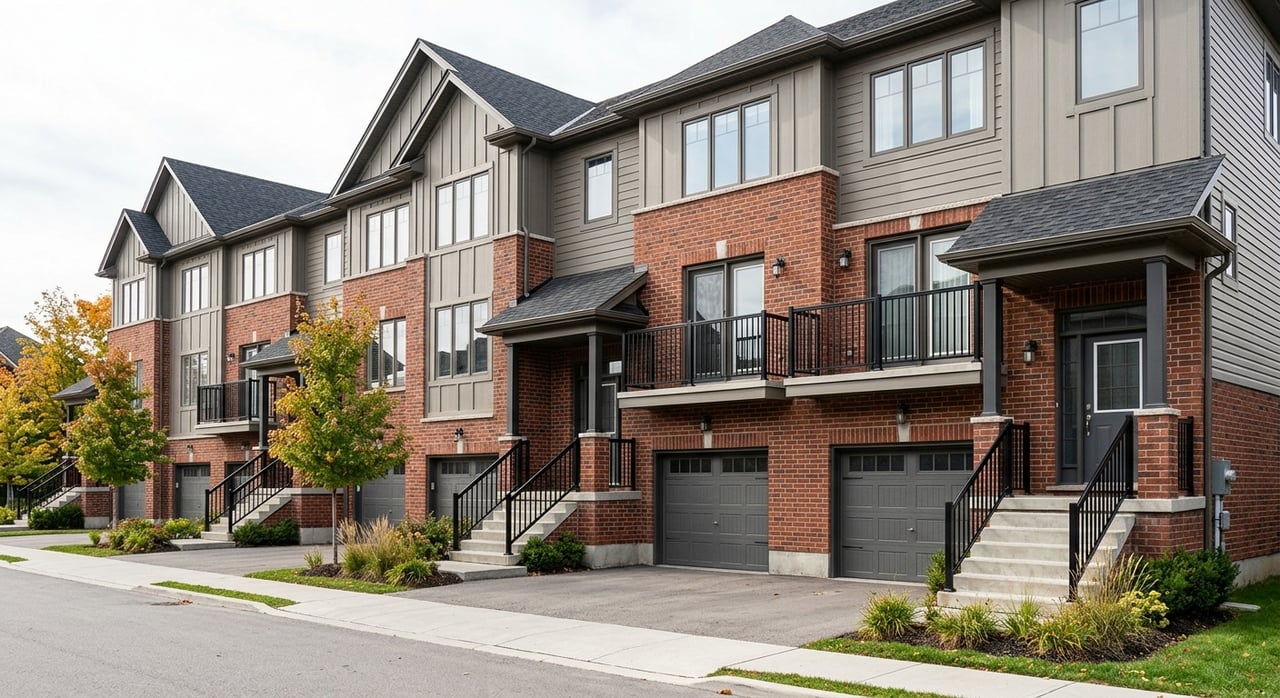
It may be a less natural fit if your top priorities are private yard space, more storage, or a more self-contained home environment. In that case, nearby townhomes or single-family homes may offer a better match for how you want to live.
Neither option is better across the board. The real question is which trade-offs line up best with your routine, your space needs, and the kind of home base you want in Buckhead.
Before you move forward with a Buckhead high-rise, ask practical questions that go beyond finishes and views.
Consider these points during your search:
These details can shape your experience just as much as price or finishes. A tower that looks impressive online may not be the right fit if the parking, layout, or building environment does not match your needs.
If you are exploring Buckhead high-rises and want help comparing buildings, floor plans, and lifestyle trade-offs, the Christine Bradley Team can help you narrow the options and make a confident decision.
Our team’s unprecedented professionalism, skill, and attention to detail has allowed us to set sales records for the past 30 years. We will ensure your buying or selling experience exceeds your expectations.
Get In Touch With Our Team To Learn More
ADDRESS 3290 Northside Parkway Ste. 200 Northwest Atlanta, GA 30327